A bit of a falsehood for my first posting on this thread :) --(however i promise that my next posting will be of a trip to view alpines at sea level --then into the mountains proper).
I thought members might be interested in seeing what most of New Zealand would have looked like, before land clearance and timber harvesting reduced the size of the native podocarp forests.
These forests can still be found in some parts of the North Island------ and here at the bottom of NZ in my home province of Southland. The largest podocarp forests are on the West Coast of the South Island.
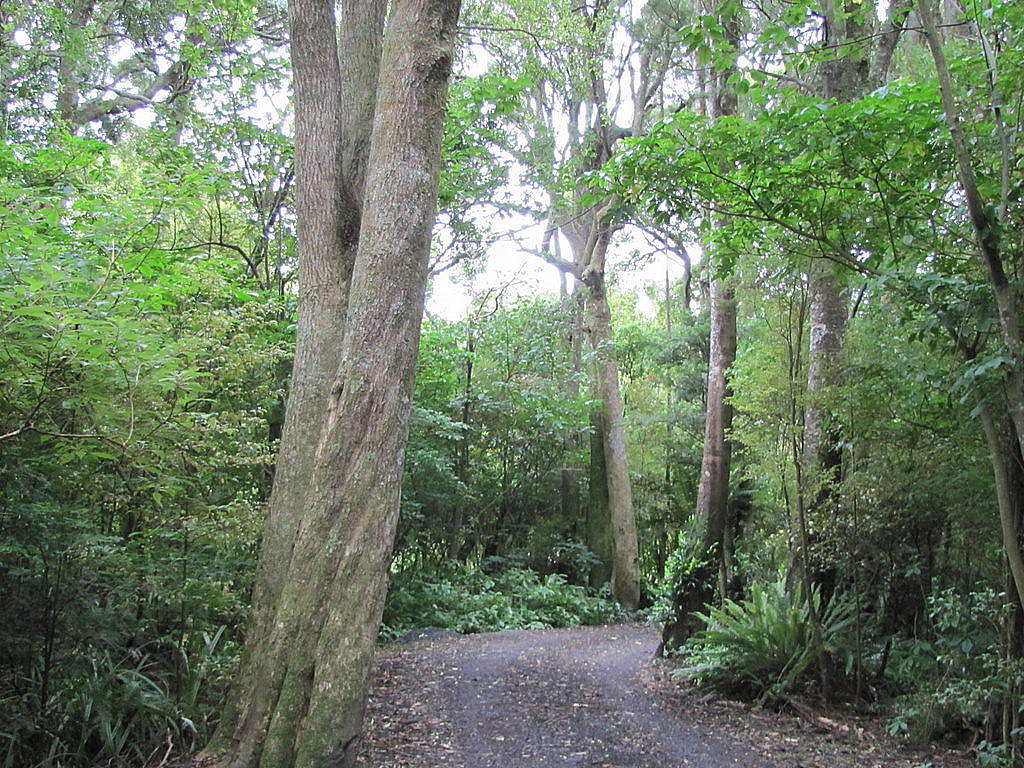
Podocarp forests are a mixture of tall podocarps and smaller trees with an understorey of shrubs, plants and ferns and soil and climate conditions play a major role in determining which species are the most dominant .
In Southland, Totara ,(up to 30 mtrs in height),grows closest to the coast, on almost pure sand. As the soil nutrient levels increase, Mataï and Rimu appear. With Kahikatea ,(up to 60mtrs in height),on the wetter sites.
Although they belong to the conifer family which reproduces using cones, podocarps spread their seeds through berries which are transported by being passed through birds. Because of the abundant range of fruits, podocarp forests also support larger communities of insects and birds such as bellbird and tui .
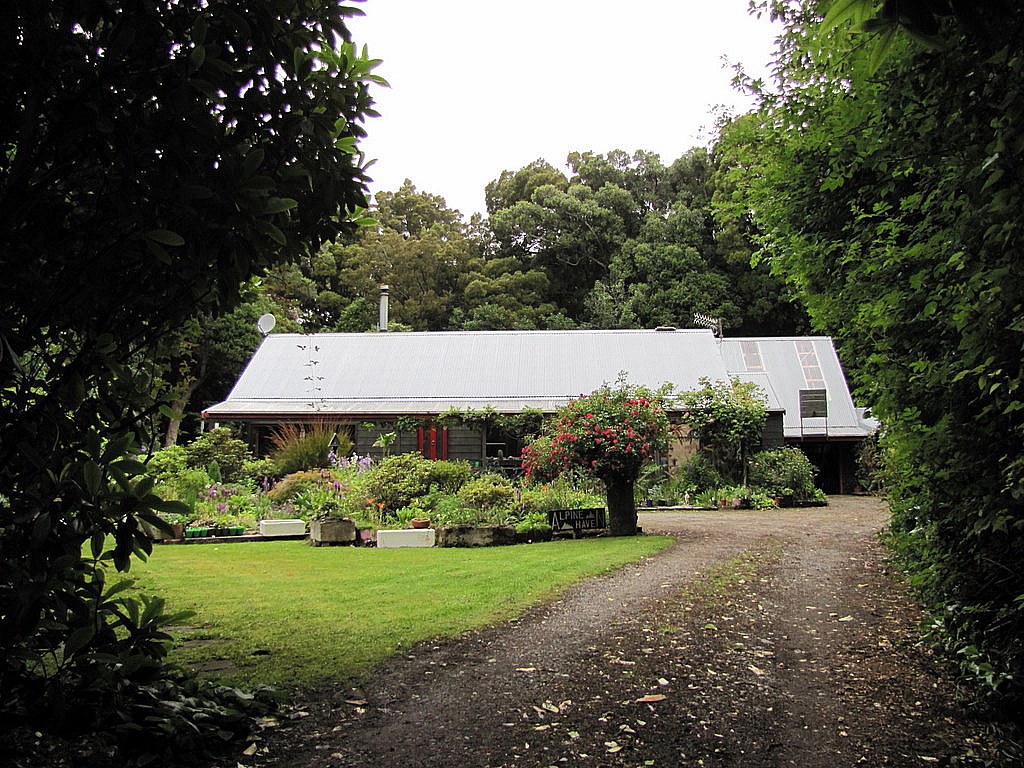
Our residence is situated in one of these forest ,(bush), remnants which backs onto a larger public native reserve and although we are only a couple of ks from the coast our bush has most of the large forest trees mentioned above.
The first pic is of our house surrounded by bush on all sides to give you an idea of scale.
The following pics are of the various genera of dominant trees ,various ferns –Asplenium and Blechnum sps ---–the long strap like leaves of the bush flax ,Astelia ---the stringy bark of a tree Fuchsia and finally the impressive Dicksonia,(tree ferns),all within a few metres of our back door.
Cheers Dave.