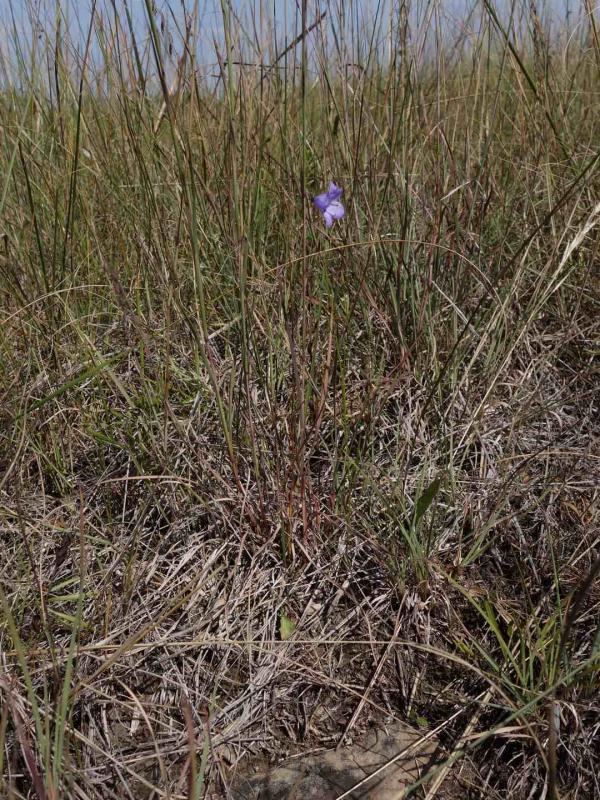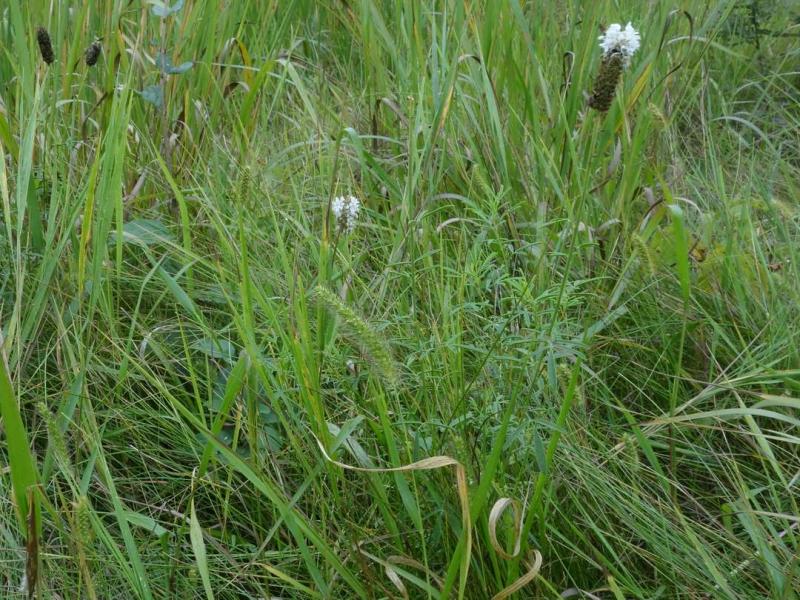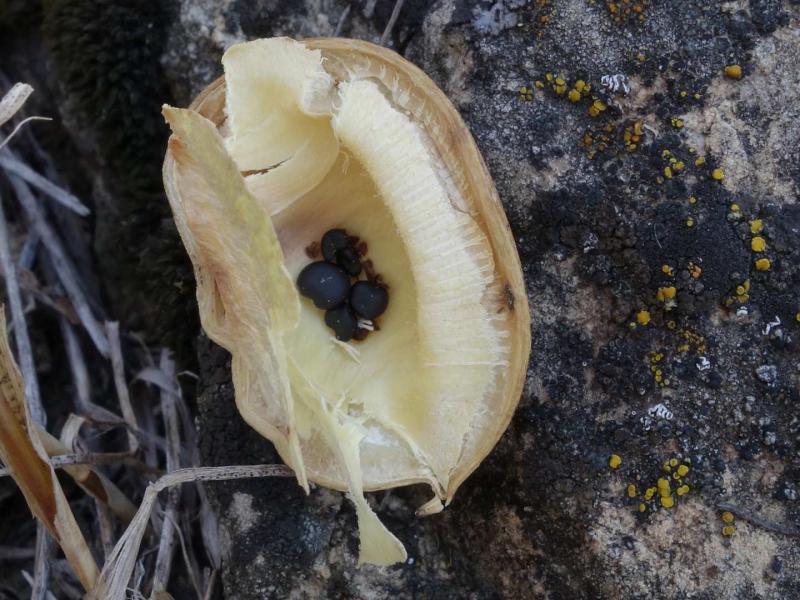
I am not sure why the Lost Prairie name is given to this area, but I will say that it can be easy to get lost when my head is down and the prairie grasses tower over my head! The terrain is categorized as a bluff prairie, although the hills are not large at all. Rather, it refers to the make up of (small) limestone ridges that frequent the otherwise lowland (mostly) prairie. It is surprising how diverse the ecologies are, and there are species that coexist among each other here that thrive in very different environments elsewhere. I've only explored a small portion of the protected area, always arriving in the late evening or my time being cut short by rain. An overview of this part reveals how mundane the landscape seems, but it is really quite rich with diverse natural species. Some of the area has been reclaimed from agricultural use. These pics were taken in August:
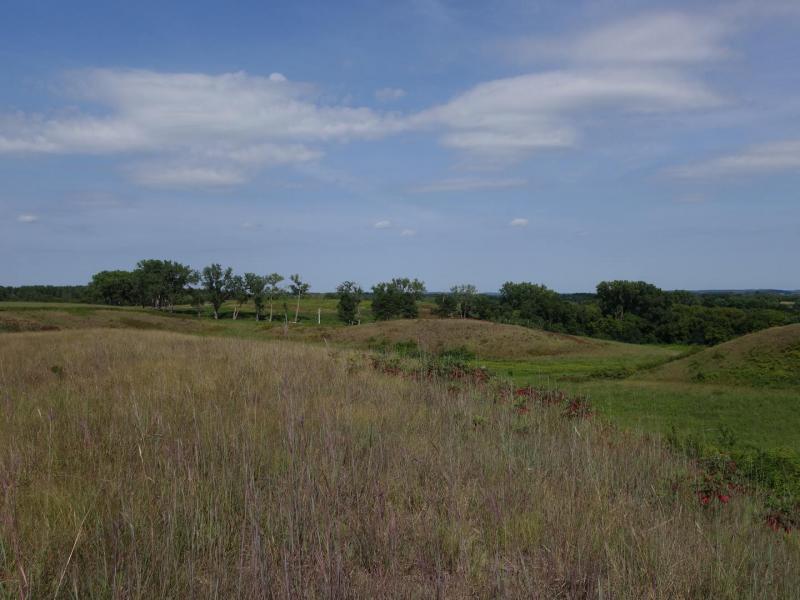
Despite the incredible amount of excess rain we have had this season, it is still easy to see the how different the water availability is on the little ridges compared to the "lowlands" that are moist to mesic, but never wet.
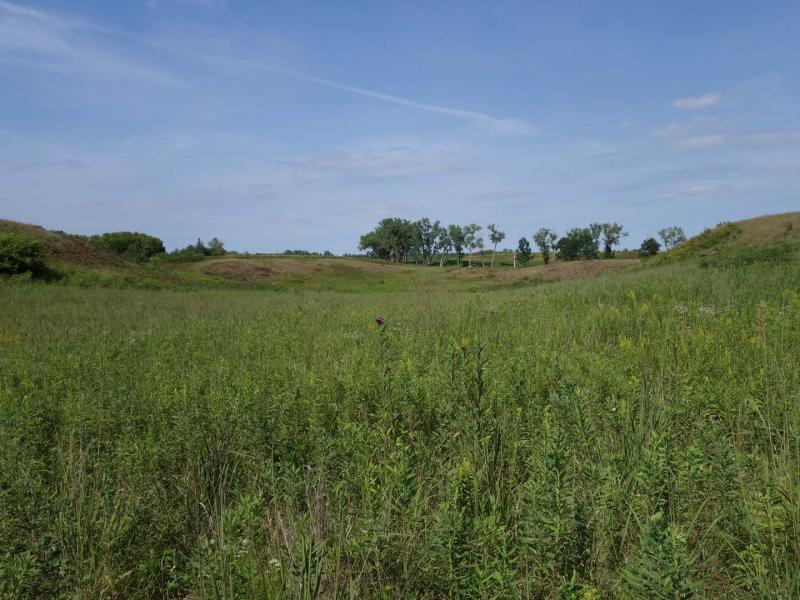
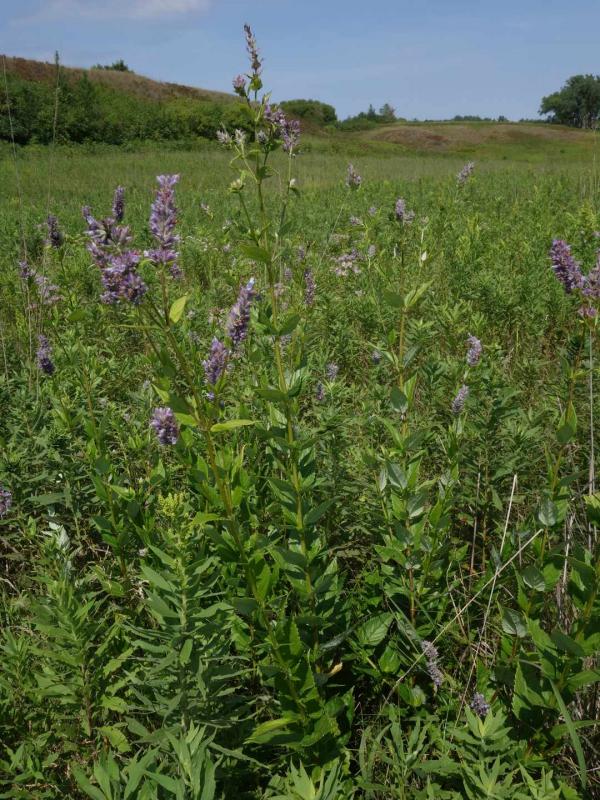
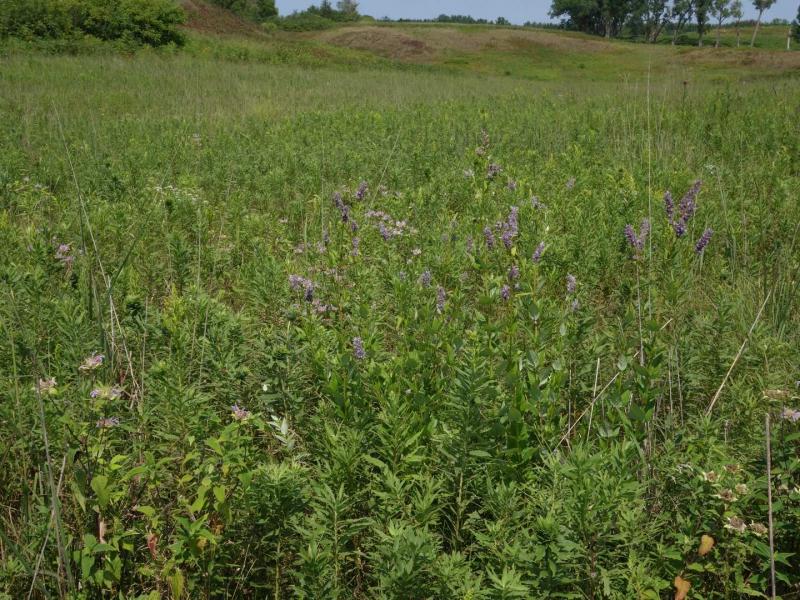
Many of the stalwarts of moist (as well as mesic) prairie habitat were present n the low parts: Vernonia fasiculata (the bit of purple in the center) among a sea of goldenrod, Big Bluestem, etc. Second pic, Agastache foeniculum. Third pic, A. foeniculum with Monarda fistulosa (left and right), and Monard fistulosa.
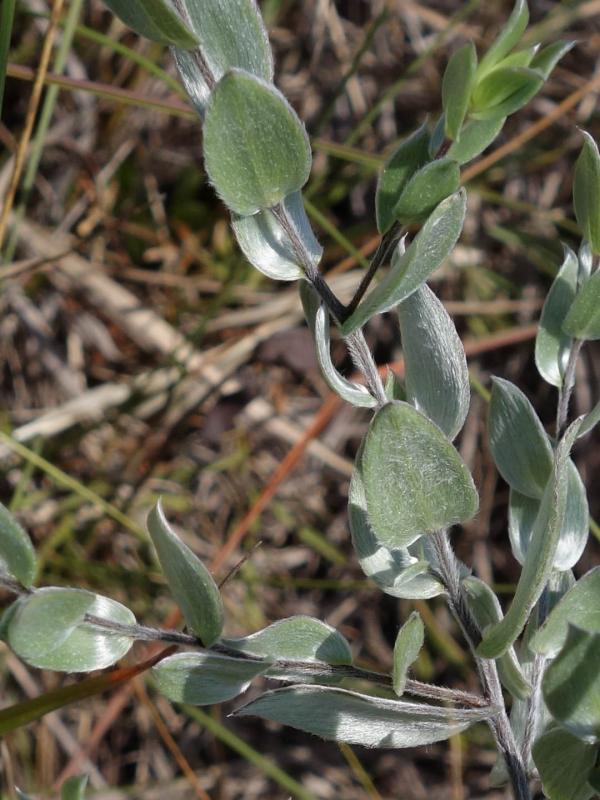
Symphyotrichum(Aster) sericeum has very shiny and dense hairs on wiry stems.
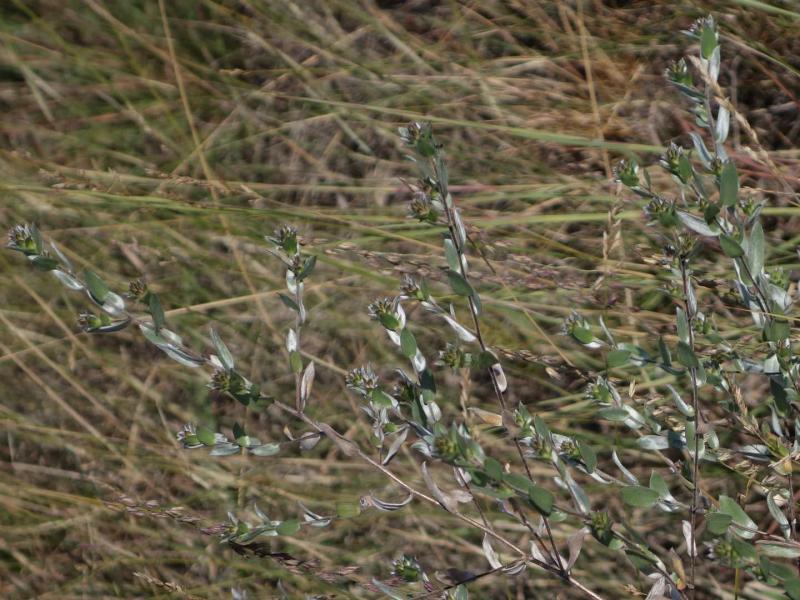
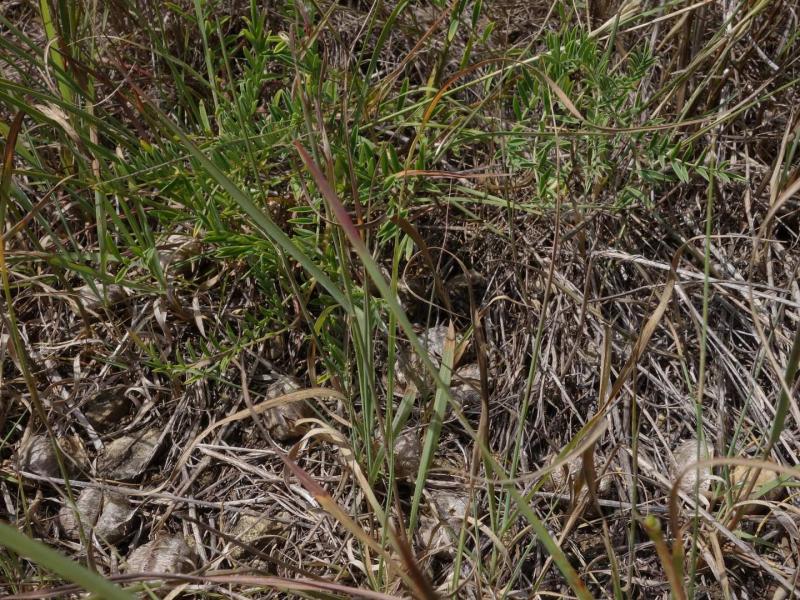
Astragalus crassicarpus grows on a south facing steep slope. At only 1500ft elevation and among other taller (12-16 inch) grasses, it is less compact than in a more mountainous climate. The gray or tan "eggs" nestled in the soil are the seed pods.
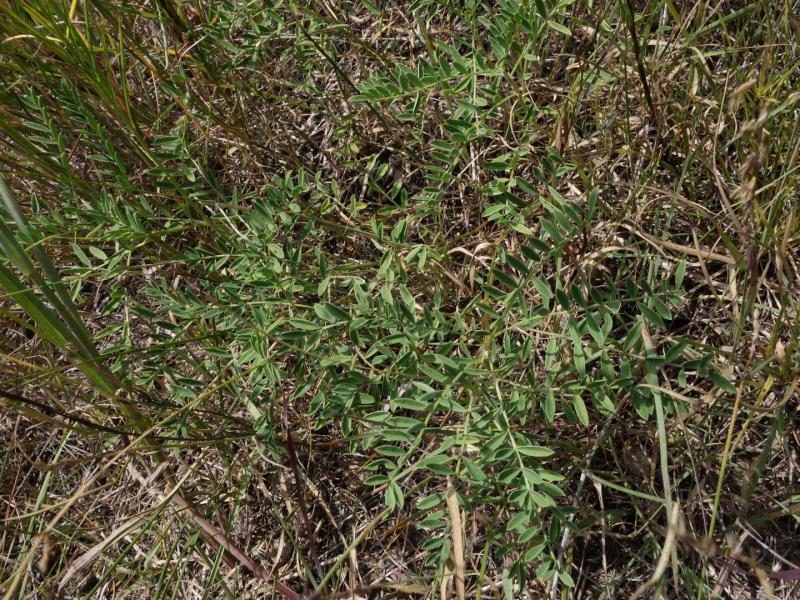

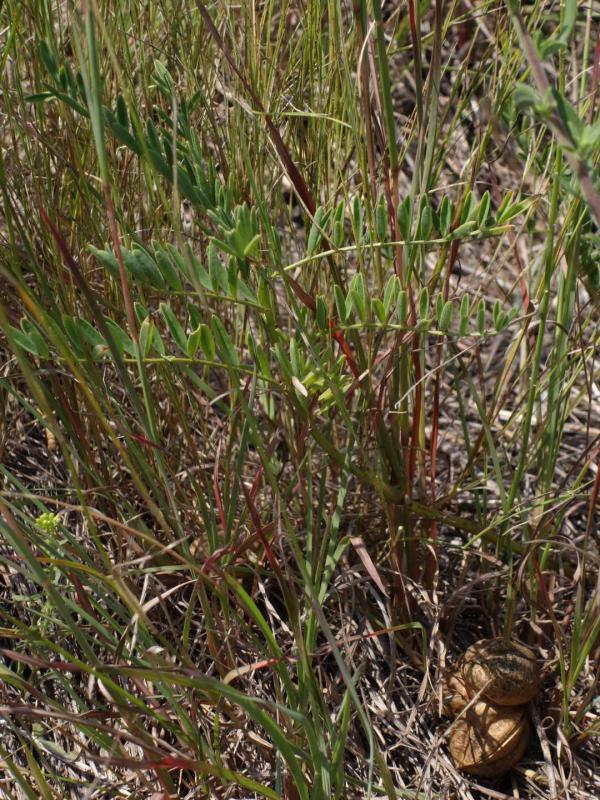
The gray ones are from year(s) before, and the tan from this season.
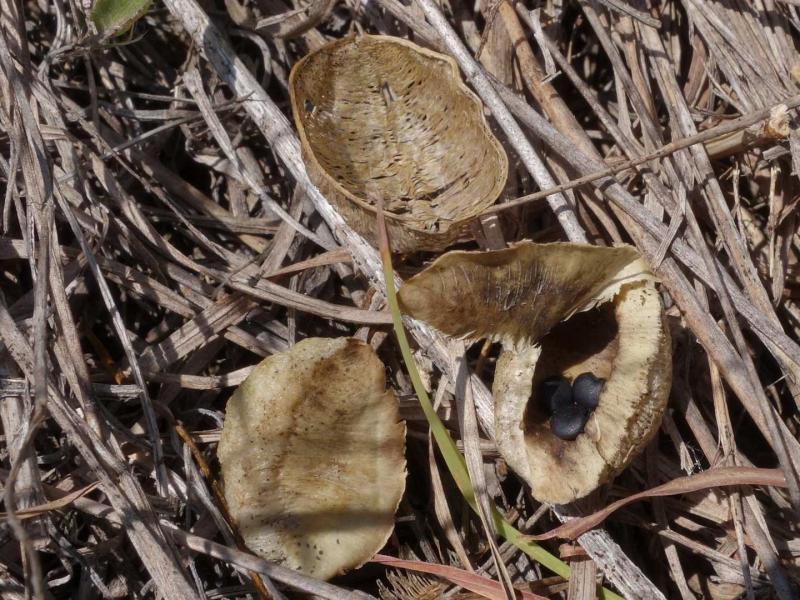
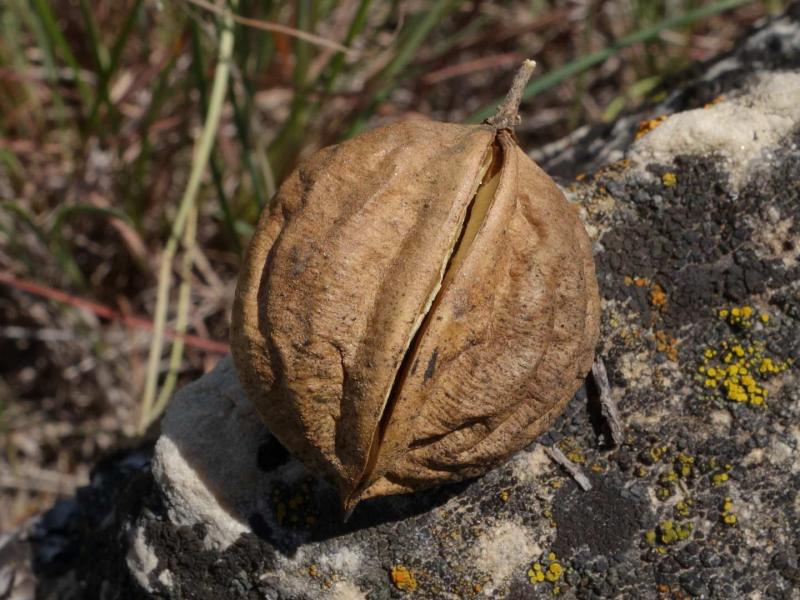
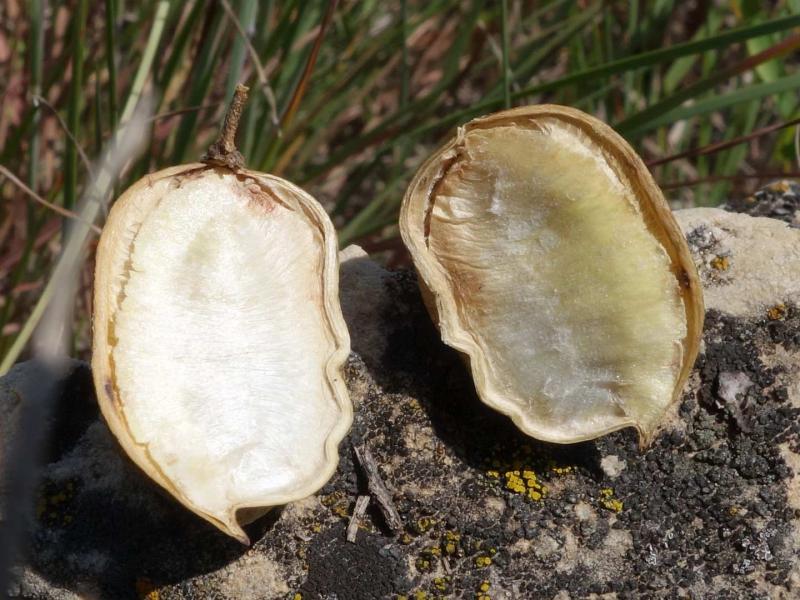

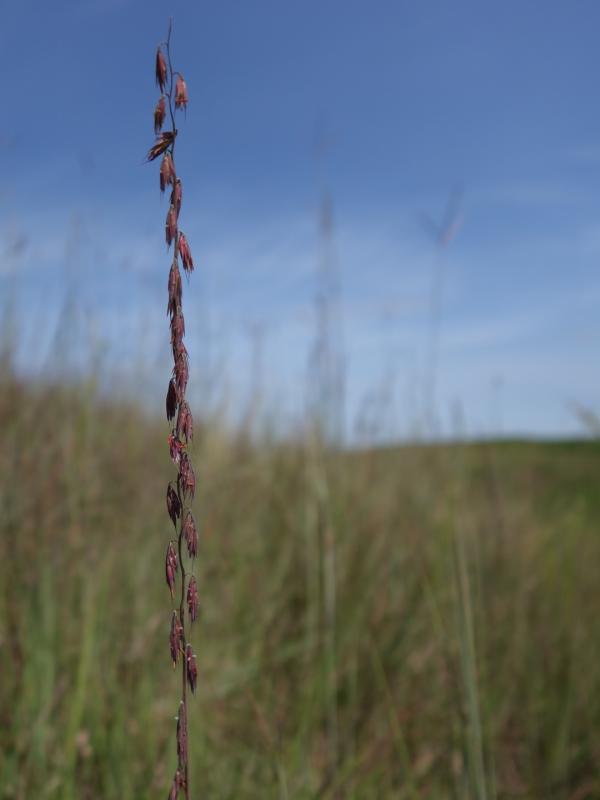
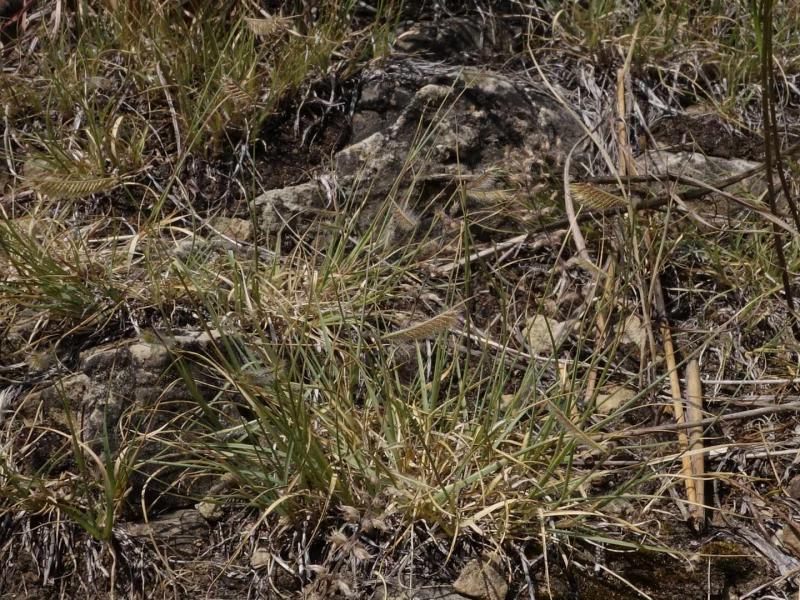
Bouteloua curtipendula grows mostly up the sides of the little hills, and Bouteloua hirsuta at about 8 inches, only at the tops in the driest parts.
Campanula rotundifolia is one of the species that seems to be out of place, thriving among grasses at the tops. Aquilegia canadensis is another of these species, the flower stalks only grow 8-16 inches. Dalea candida is common.