Home
  • Contact Us
  • About Us
    • Awards
    • Board & Staff
    • Grants
    • History
    • Local Chapters
    • Membership
    • News & Blogs
    • Our Mission
    • Policies
  • Quarterly
    • Current Issues
    • Free Archive
  • Learn
    • Plant of the month
    • Book of the month
    • Plant Profiles
    • Forum Archive
    • Epithets
    • Crevice Gardens
    • Sources
    • Plant Societies
    • Video conferences
  • Seeds
    • Current Seed List
      • Seed Ordering Information
    • Seed Exchange Information
    • Glassine Envelopes
  • Tours
    • Current Tours
    • Previous Tours
  • Events
    • Upcoming & Past events
    • Speakers Tours
    • NARGS Meeting Guidelines
  • Log in
  • Join

Do Rocks Protect Plants From Temperature Extremes?

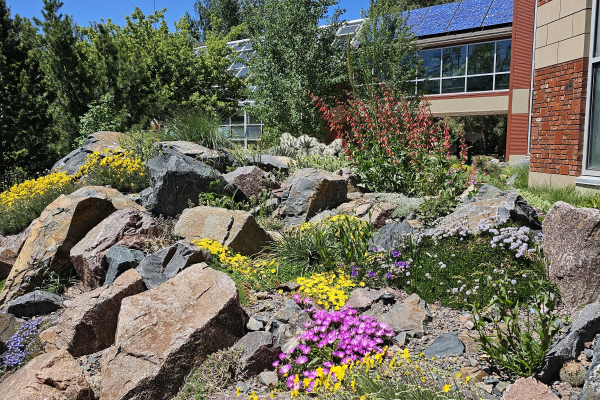
The Crevice Garden at the Cheyenne Botanic Gardens.

Rock gardens are more than a place to grow and display plants. They are physical environments, governed by the laws of physics. One of those is temperature lag or thermal inertia. Stated simply, things with greater mass per unit volume such as water and stone change their temperature more slowly than less dense materials such as air. Temperature lag is why the warmest part of the day is not when the sun is directly overhead; it is generally between 2:00 and 3:00 pm. Seasons are affected by temperature lag in the same way. In winter, the coldest day on average is not the shortest day of the winter solstice. It is generally in late January or early February. Orchards are often sited near large bodies of water since the heat lag in the water causes temperatures to remain cooler in early spring, delaying the development of flowers so they are more likely to escape late frosts. Prior to the development of air conditioning, one of the main reasons for a holiday at the beach or lakeshore was to take advantage of the cooler temperatures caused by the temperature lag of the water.
Login to read the full articleJoin

Aquilegia jonesii  grows well in the Crevice Garden despite much higher daytime temperatures than it would encounter in its native range
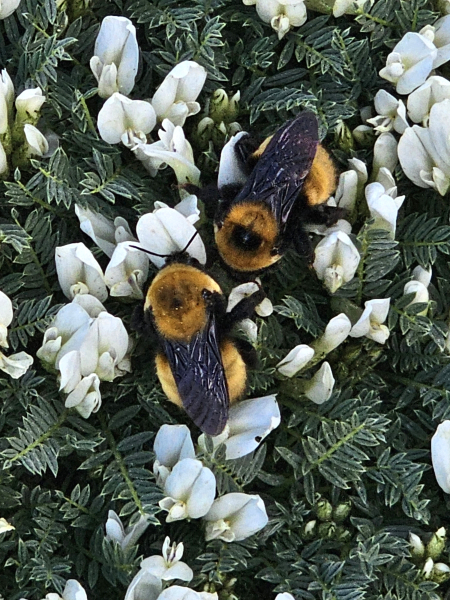
Astragalus angustifolius with plains bumblebee,  a southern species which has only been seen in Wyoming at the Botanic Gardens.
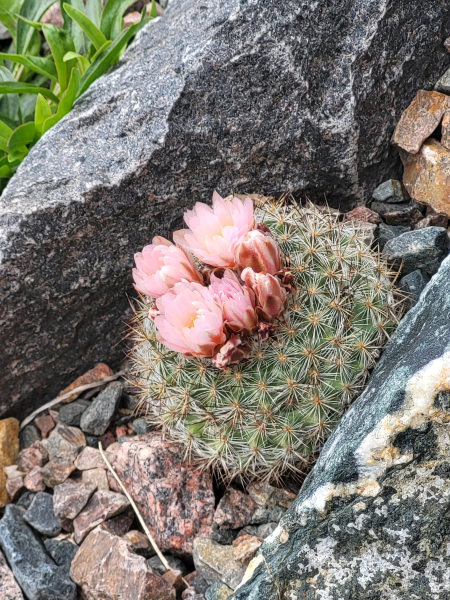
Pediocactus simpsonii thrives in the perfect drainage of the Crevice Garden.
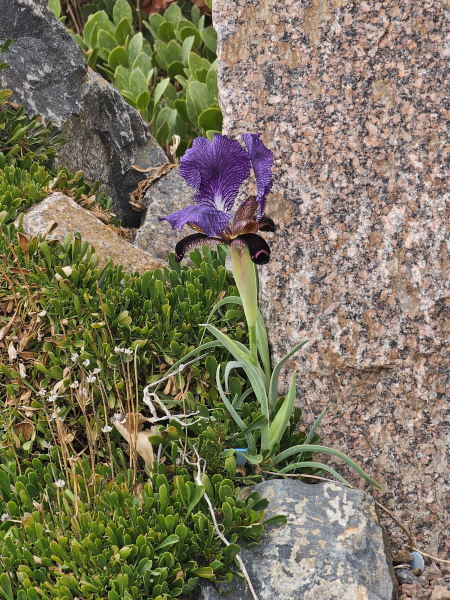
Iris paradoxa from Armenia flowering in the Crevice Garden.

Quick links

  • Latest news
  • Find your local chapter
  • Plant profiles
  • Terms and Conditions


  • Book review
  • Plant of the month
  • Rock garden quarterly


  • Tours
  • Upcoming events
  • Contact us

Find us on

NARGS Facebook profile

NARGS Instagram profile

Who is online

  • Jonathan Willis 2 days 12 hours ago
  • Diane Whitehead 2 days 12 hours ago
  • Alta Grade 2 days 12 hours ago
  • Marla Mcclaren 2 days 12 hours ago
  • Laura Serowicz 2 days 12 hours ago
  • John Willis 2 days 12 hours ago
  • Jaime Rodriguez 2 days 12 hours ago
  • Todd Bradley 2 days 13 hours ago
  • Joseph Shramek 2 days 13 hours ago
  • John Serowicz 2 days 13 hours ago